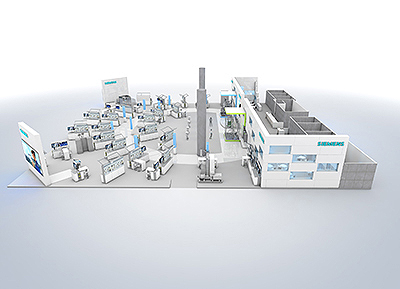
Im Rahmen der Achema 2015 stellte Siemens seine Strategie zur Digitalisierung in der Prozessindustrie vor. “Unternehmen der Prozessindustrie stehen unter…
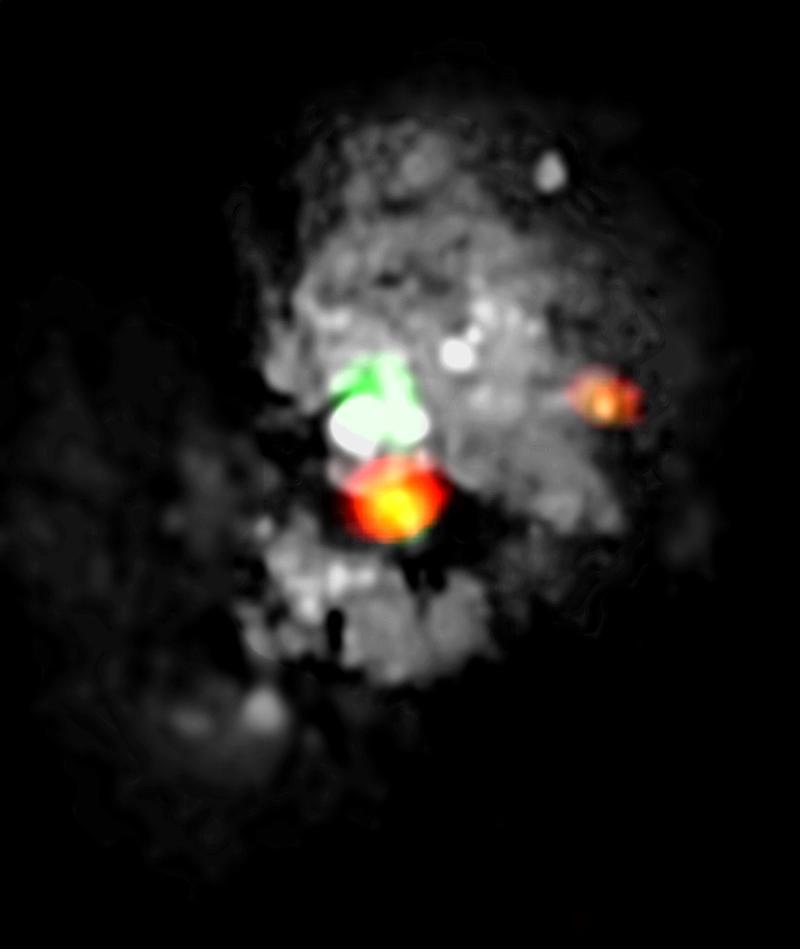
Mit dem empfindlichsten Millimeter-Radioteleskop der nördlichen Hemisphäre ist den Astronomen das erste Bild gelungen: Die NOEMA genannte Anlage lieferte eine…
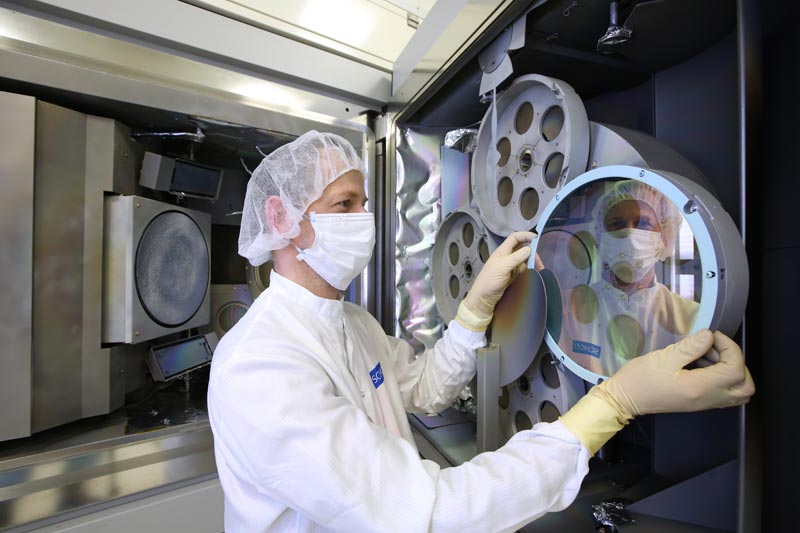
Der Spezialglasexperte SCHOTT verfügt über ein umfassendes Portfolio beschichteter Materialien für Laser-Anwendungen. Mehr als 50 Jahre Erfahrung in…

Garnelen und Buntbarsche frisch aus einer garantiert nachhaltigen Produktion zu erhalten, wünschen sich viele Verbraucher. In der Region Bremen könnte dies…
Spinal muscular atrophy (SMA) is an autosomal recessive disorder based on the loss of the survival motor neuron 1 (SMN1) genes. The severity of the disease is inversely correlated with the copy number of the main disease modifying gene SMN2.
In rare cases, siblings of SMA patients do not show SMA, although they carry exactly the same SMN1 and SMN2 gene status as their SMA affected relatives. So other genetic factors are able to fully protect homozygously SMN1-deleted individuals from developing SMA. The inventors found that this phenomenon might be caused by the overexpression of plastin 3, an actin-bundling protein, and/or low expression levels of the calcium sensing protein neurocalcin delta (NCALD). In vitro and in vivo studies show that inhibitors of neurocalcin delta (NCALD) are suitable for treating and preventing such disorders in a patient. Said inhibitors are, likewise, effective tools for in vitro neuronal differentiation and maturation, and restoration of impaired endocytosis.
In orthodontics, there is a multitude of intraoral devices and wires that can be activated by bending. However, due to restricted access, wire bending is often difficult if not impossible, especially in the palatine region and lingual of the mandible. Moreover, in many cases mirror-inverted pliers would be necessary for respective bending on the other side of the oral cavity. So far, there are no orthodontic pliers available, that enable ergonomic wire bending on both sides of the oral cavity. The present invention solves this problem by connecting the two handles with an olong hole system. According to the invention, the one-prong branch can be swiveled to the other side of the two-prong branch, thus allowing mirror-inverted application. A locking mechanism is activated when the pliers are closed to prevent accidental shifting of the branches. Another aspect of the invention is an convenient working angle between branches and handle, which facilitates intraoral application. A design model is available for demonstration.
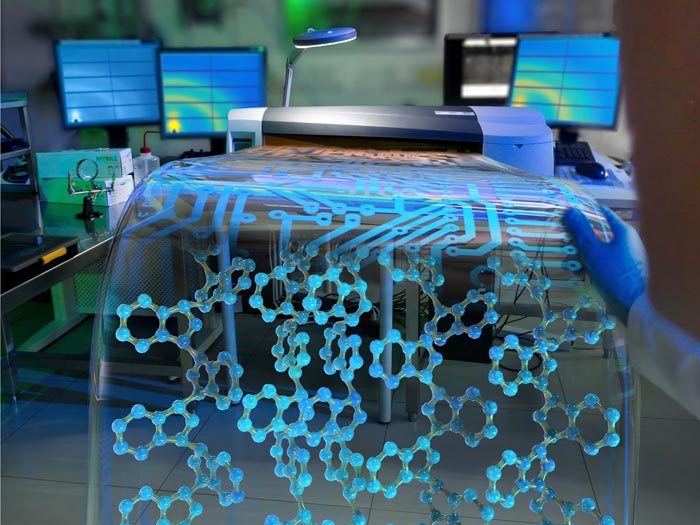
Sie sind dünn, leicht, flexibel, lassen sich kostengünstig und ohne großen Energieaufwand herstellen: gedruckte Mikroelektronik-Bauteile aus Kunststoff….

Für den einfachen elektrischen Anschluss erlauben sie Versorgungsspannungen in einem erweiterten Bereich von 4,75 V bis 30 V. Damit steht den Herstellern von…

Das Fraunhofer-Institut für Betriebsfestigkeit und Systemzuverlässigkeit LBF forscht seit vielen Jahren an Methoden zur aktiven Schwingungs- und…
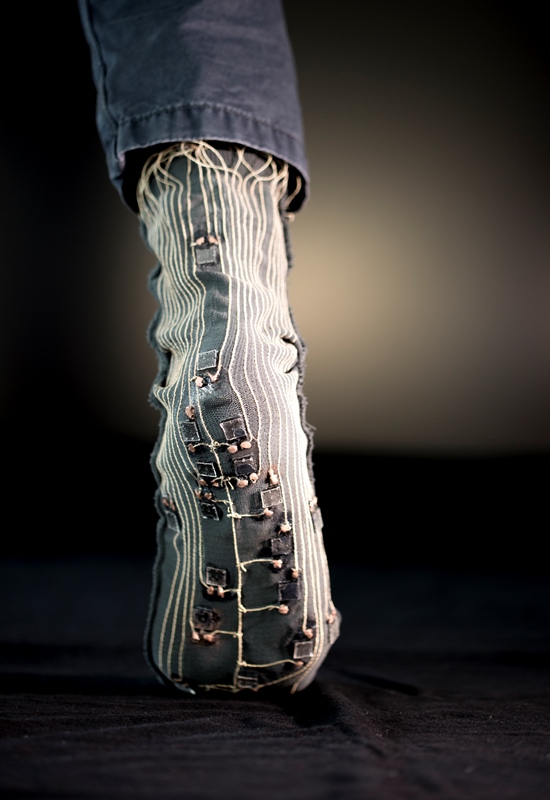
CeSMa forscht intensiv im Bereich der Smart Materials, die steuerbare sensorische, aktorische oder generatorische Funktionen erfüllen. Insbesondere Elastomere…

Im Jahr 1915 wurde unser Verständnis der Gravitation durch Einsteins Allgemeine Relativitätstheorie revolutioniert. Einstein fand heraus, dass Gravitation…
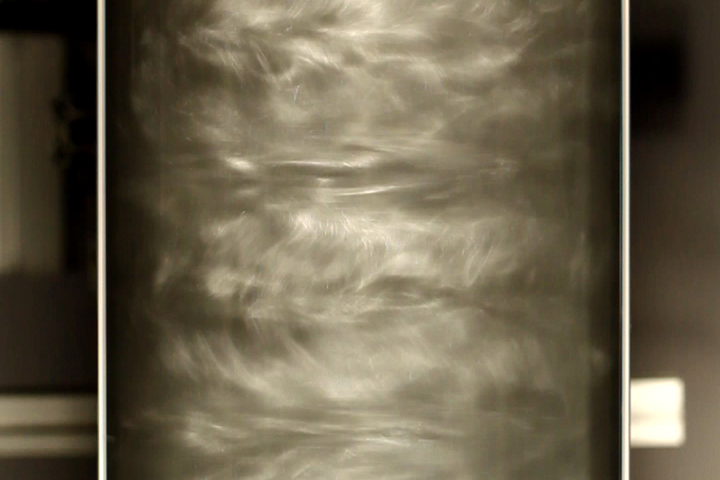
Prof. Dr.-Ing. Christoph Egbers has managed to bring the 19th International Couette-Taylor workshop to the university in Cottbus – a conference getting…

Neutrinos sind von so kleiner Masse, dass sie fast ohne Widerstand den Erdball durchqueren können. Die Spuren der winzigen Elementarteilchen sind kaum…
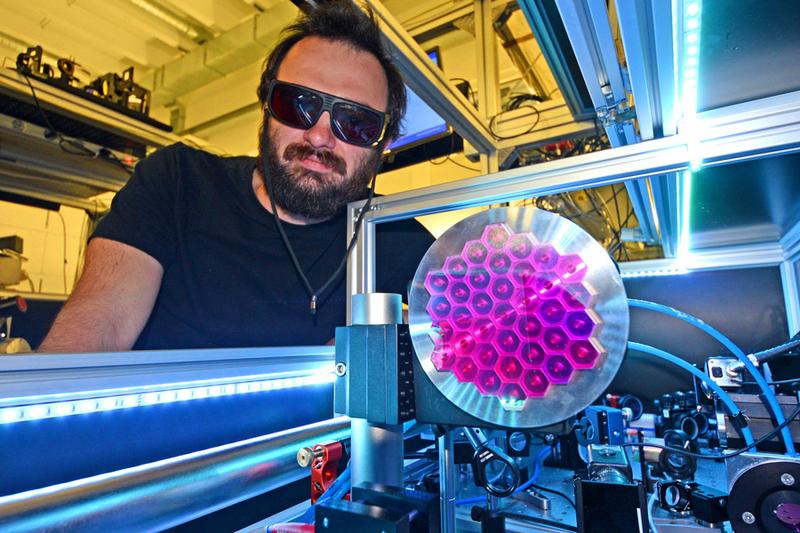
Seit rund 110 Jahren verlässt sich die Medizin auf Röntgenstrahlung und damit auf das Prinzip der Röntgenröhre. Ihr Hauptnachteil ist die schlechte Bündelung…
Welchen Ernährungs- und Lebensstil Menschen pflegen, kann sich auch auf das Gedächtnis und die Entwicklung einer neurodegenerativen Erkrankung auswirken.

Im Auftrag des Nahfeld-Mikroskop-Herstellers Neaspec GmbH hat Fraunhofer IPM ein Terahertz-System entwickelt, welches in Kombination mit deren Nahfeldmikroskop…
 Rückmeldung


