



Forschungsergebnisse zeigen: Bupropion steigert die Libido bei Frauen, die unter vermindertem sexuellen Verlangen leiden
Das haben Forscher der Universität Bonn und der ETH Zürich herausgefunden. Sie verabreichten den Wirkstoff namens Beta-Caryophyllen (E-BCP) Mäusen, die eine entzündete Pfote hatten.
In sieben von zehn Fällen besserten sich daraufhin die Symptome. Möglicherweise lässt sich E-BCB auch gegen Erkrankungen wie Osteoporose oder Arterienverkalkung einsetzen. Die Studie erscheint am Montag, 23. Juni, in den “Proceedings of the National Academy of Sciences” (PNAS).
E-BCP ist ein typischer Inhaltsstoff vieler Gewürz- und Nahrungspflanzen. So kommt die Substanz unter anderem auch in Basilikum, Rosmarin, Zimt und schwarzem Pfeffer vor. Mit unserer Nahrung nehmen wir täglich bis zu 200 Milligramm des ringförmigen Moleküls auf.
Unbekannt war bislang, dass es im Körper segensreiche Wirkungen entfalten kann: “Nach unseren Ergebnissen ist E-BCP entzündungshemmend”, erklärt Professor Dr. Andreas Zimmer vom Bonner Life&Brain-Zentrum. “Aber nicht nur das: Experimente an Mäusen haben gezeigt, dass die Substanz sogar bei Osteoporose wirksam ist.”
Beta-Caryophyllen dockt spezifisch an bestimmte Empfänger-Strukturen in der Zellmembran an, die so genannten Cannabinoid-CB2-Rezeptoren. Dadurch verändert sich das Verhalten der Zelle: Sie schüttet dann beispielsweise weniger entzündungsfördernde Signalstoffe aus. “Wir haben Mäuse, die unter einer entzündlichen Schwellung der Pfote litten, mit E-BCP behandelt”, erläutert Dr. Jürg Gertsch von der ETH Zürich. “In bis zu 70 Prozent der Fälle klang die Schwellung daraufhin ab.”
Pizza macht nicht high
Damit könnte E-BCP als Ausgangspunkt für neue Medikamente in Frage kommen. Besonders attraktiv für Pharmaforscher ist dabei, dass die Substanz in der Natur so häufig vorkommt. Dazu gesellt sich aber noch ein zweiter Vorteil: Beta-Caryophyllen hat im Gegensatz zu anderen Substanzen, die auf den CB2-Rezeptor wirken, keine berauschende Wirkung.
Der CB2-Rezeptor hat nämlich einen “Bruder” namens CB1, der vor allem Drogenforschern ein Begriff ist. CB1 kommt unter anderem in den Nervenzellen des Gehirns vor. An ihn können beispielsweise bestimmte Inhaltstoffe der Hanfpflanze andocken. Was dann passiert, wissen Marihuana-Konsumenten allzu genau.
CB1 und CB2 sind zwar keine Zwillinge, aber doch sehr eng verwandt. Substanzen, die CB2 stimulieren, wirken daher oft auch berauschend. Anders E-BCP: Es ist der erste bekannte natürliche Wirkstoff, der spezifisch an CB2 bindet und nicht an CB1 – deshalb macht Pizza auch nicht high.
Beide Rezeptoren sind Teil des so genannten Endocannabinoid-Systems. Forscher schreiben ihm mehr und mehr eine wichtige Rolle bei verschiedenen Erkrankungen zu: Läuft es aus dem Ruder, können vermutlich Herzkrankheiten, Allergien, chronische Schmerzen oder auch Gedächtnisstörungen die Folge sein. “Endocannabinoide sind Substanzen, die der Körper selbst bildet und die ihn im Gleichgewicht halten”, erklärt Zimmer. So wirken sie bei einer Entzündung wie ein Tritt auf die Bremse: Sie verhindern, dass das Immunsystem zu viel des Guten tut und Abwehrreaktion außer Kontrolle gerät.
Auch chronische Störungen wie Morbus Crohn – eine Entzündung des Darmtrakts – lassen sich vielleicht mit E-BCP in den Griff bekommen. “Die Verbindung könnte ein wichtiger Faktor in der Ernährung sein, um derartige Zivilisationskrankungen zu bremsen”, vermutet Dr. Jürg Gertsch. Wer künftig alle Speisen mit Oregano würzt, lebt damit aber trotzdem nicht unbedingt gesünder. “Das Endocannabinoidsystem kommt dann zum Zuge, wenn bei Stoffwechselprozessen das Gleichgewicht gestört ist”, sagt Professor Zimmer. “Es ist ähnlich wie mit Antidepressiva: Die helfen zwar bei Depressionen. Ein Gesunder bekommt durch sie aber keine bessere Laune.”
Kontakt:
Dr. Jürg Gertsch
Pharmazeutisches Institut
Eidgenössisch-Technische Hochschule Zürich
Telefon: 0041 (0)44/633-7374
E-Mail: juerg.gertsch@pharma.ethz.ch
Professor Dr. Andreas Zimmer
Institut für Molekulare Psychiatrie des Universitätsklinikums Bonn
Telefon: 0228/688-5300
E-Mail: neuro@uni-bonn.de


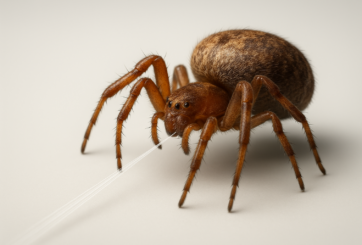
Forscher am Lehrstuhl für Biomaterialien der Universität Bayreuth haben erstmals erfolgreich die „Genschere“ CRISPR-Cas9 bei Spinnen eingesetzt. Die Spinnen produzierten nach der Gen-Editierung rot fluoreszierende Spinnenseide. Über ihre Ergebnisse berichten die Forscher im Fachjournal Angewandte Chemie. What for? Spinnenseide ist eine der interessantesten Fasern im Bereich der Materialwissenschaften: Insbesondere ihr Abseilfaden ist enorm reißfest, dabei jedoch elastisch, leicht und biologisch abbaubar. Wenn es gelingt, die Produktion der Spinnenseide in vivo – im lebenden Tier – zu beeinflussen und damit Einblicke…

Dass Links- oder Gemischthändigkeit bei Patientinnen und Patienten mit bestimmten neurologischen Erkrankungen wie Autismus-Spektrum-Störungen auffällig häufig vorkommt, ist eine oft berichtete Beobachtung aus der Praxis. Die Verbindung von Händigkeit und diesen Erkrankungen liegt wahrscheinlich darin begründet, dass beide durch Prozesse in der frühen Hirnentwicklung beeinflusst werden. Verschiedene Studien untersuchten diesen Zusammenhang für einzelne Erkrankungen und konnten ihn mal belegen, mal nicht. Eine Meta-Analyse, die ein internationales Forschungsteam aus Bochum, Hamburg, Nimwegen und Athen durchgeführt hat, zeigt, dass eine abweichende Händigkeit…
Ein Forschungsteam untersuchte, wie der Energieverbrauch der Fledermausart Großer Abendsegler von der Temperatur beeinflusst wird, und erstellte ein Modell, mit dem sich vorhersagen lässt, in welchen geographischen Breiten sie den Winterschlaf überleben und wie sich ihre Überwinterungsgebiete im Laufe der Zeit verändern könnten. Es zeichnet die Verschiebung der Überwinterungsgebiete in den letzten 50 Jahren exakt nach und sagt eine weitere Ausdehnung nach Nordosten um bis zu 14 Prozent des derzeitigen Verbreitungsgebiets bis zum Jahr 2100 voraus – bedingt durch kürzere…
Rund 20 bis zu 35 Prozent der Bevölkerung leidet unter chronischen Schlafstörungen, in höherem Alter sogar die Hälfte aller Menschen. Fast jeder Jugendliche oder Erwachsene kennt zudem ein kurzfristiges Schlafdefizit: ob Party, ein langer Arbeitstag, die Pflege Angehöriger oder schlicht am Handy verdaddelt – die Möglichkeiten zu wenig Schlaf zu bekommen sind vielfältig. Jülicher Forscher:innen konnten in einer aktuellen Metastudie zeigen, dass sich die jeweils beteiligten Gehirnregionen deutlich unterscheiden. Die Ergebnisse der Studie wurden im Fachmagazin JAMA Psychiatry veröffentlicht. „Schlechter…
 Rückmeldung
