



Forschungsergebnisse zeigen: Bupropion steigert die Libido bei Frauen, die unter vermindertem sexuellen Verlangen leiden
Genetically engineered mice get fat like we do.
US researchers have genetically engineered mice that realistically mimic the symptoms of human obesity. Studying the mice might explain how the body regulates its fat stores and help find new drugs to treat obesity1.
The mice produce more of a chemical that causes fat to be laid down around the abdomen. Fat tummies, rather than the total quantity of fat, are most closely linked with the health problems of being overweight, such as diabetes, high blood pressure and heart disease.
“This is an important part of our emerging understanding of the common forms of obesity,” says Jeff Flier, of Harvard Medical School, Boston. Several pharmaceutical companies are already working on drugs to counteract the chemical’s effects, he adds.
The key chemical is an enzyme called HSD-1. This makes the hormone cortisol in cells.
Researchers had a clue that cortisol was involved in obesity. People with the disease Cushing’s syndrome have too much of the hormone. They build up fat around their abdomens, and suffer the attendant health problems.
But most obese people have normal blood levels of cortisol. Flier and his colleagues reasoned that the control centre might lie inside the cells.
By engineering mice so that their abdominal fat cells produce 2-3 times the normal amount of HSD-1, Flier’s team has pinned down the probable role of the enzyme in human obesity.
“It’s quite a staggering result,” says Brian Walker, a hormone researcher at the University of Edinburgh, UK. “None of the other models have so closely mirrored the human condition.”
The mice lay down more fat around their middles than their normal counterparts – resulting in a pot belly. They also suffer the health problems associated with obesity.
Hard to stomach
Walker has found that obese people tend to have more HSD-1, and his lab has produced a skinny mouse deficient in the enzyme. He is enthusiastic about HSD-1’s potential as a drug target.
It’s not known whether abdominal fat causes ill health, or is just associated with it. One possibility is that chemicals released by fat, perhaps including cortisol, cause the liver to become less sensitive to insulin, damaging the control of sugar levels in the blood.
We also don’t know if differences in HSD-1 lie behind men’s greater tendency to lay down fat around their stomachs than women. “There are sex differences in rats, but we can’t detect any between men’s and women’s livers,” says Walker. “We’re not sure about fat yet.”
Flier’s overweight mutant mice also eat more. Why should fat cells release a chemical that makes you fatter, and in the places where fat does most damage? “I don’t have an easy answer,” says Flier.
But it may have been advantageous for our ancestors to lay down abdominal fat stores in times of plenty. And abdominal fat is the first to be gained and the first to be lost during lean periods. Avoiding obesity, Flier points out, “is only a recent goal of the human race.”
References


Ein interdisziplinäres Forschungsteam der Universitätsmedizin Magdeburg hat neue Erkenntnisse gewonnen, wie Darmkrebs künftig individueller behandelt werden kann. In ihrer aktuellen Studie, veröffentlicht in der Fachzeitschrift Molecular Oncology, zeigen die Forschenden, dass Mini-Tumore aus Gewebe von Patientinnen und Patienten – sogenannte Organoide – genutzt werden können, um vorab zu prüfen, welche Medikamente am besten wirken. Dabei wurde ein Eiweiß identifiziert, das künftig als Biomarker für die Wahl der passenden Therapie dienen könnte. Darmkrebs zählt weltweit zu den häufigsten Krebsarten und stellt…
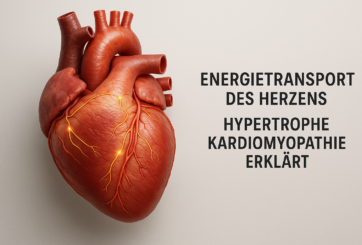
OXIDATIVER STRESS SCHALTET KREATINKINASE AN WICHTIGEN STELLEN AUS, SODASS DAS HERZ AUS DEM ENERGIEGLEICHGEWICHT KOMMTForschende aus dem Deutschen Zentrum für Herzinsuffizienz zeigen in einer internationalen, multizentrischen Studie im Journal Circulation, warum der Energietransport bei der Hypertrophen Kardiomyopathie (HCM) versagen kann und wie sich durch eine Verringerung der Herzbelastung und des oxidativen Stresses Rhythmusstörungen reduzieren lassen. Würzburg. Die hypertrophe Kardiomyopathie (HCM) ist die häufigste erblich bedingte Herzerkrankung. Sie führt dazu, dass sich die linke Herzkammer verdickt, der Herzmuskel zu stark kontrahiert…
Das Medulloblastom ist bei Kindern und Jugendlichen einer der häufigsten bösartigen Hirntumore des Zentralen Nervensystems. Etwa 70 bis 80 Prozent der Betroffenen können mit heutigen Methoden geheilt werden. Viele müssen jedoch mit schweren Langzeitfolgen der aggressiven Therapien leben. Dringend benötigt werden zielgerichtete Therapien, die nur Tumorschwachstellen angreifen und normales Gewebe verschonen. Forschende um Daniel Merk vom Hertie-Institut für klinische Hirnforschung am Universitätsklinikum Tübingen haben eine solche Schwachstelle im Erbgut einer Untergruppe des Medulloblastoms gefunden. Die Wilhelm Sander-Stiftung unterstützte das Projekt…
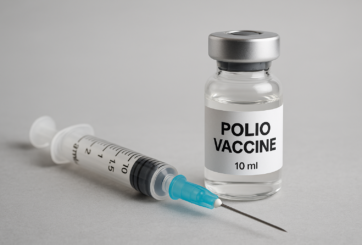
HZI-Studie an digitaler Kohorte zeigt Unterschiede zwischen dokumentierter und selbstberichteter Polioimpfquote Die Poliomyelitis, auch bekannt als Kinderlähmung, ist eine ansteckende Krankheit, die durch das Poliovirus verursacht wird. Durch die Entwicklung wirksamer Impfstoffe konnte das Poliovirus weit zurückgedrängt werden und war 2024 nur noch in zwei Ländern endemisch. Bis das Virus weltweit ausgerottet ist, ist aber auch in Deutschland ein Impfschutz wichtig, da das Virus jederzeit wieder eingeschleppt werden könnte. Epidemiolog:innen des Helmholtz-Zentrums für Infektionsforschung (HZI) haben nun gezeigt, dass viele…
 Rückmeldung
