



Forschungsergebnisse zeigen: Bupropion steigert die Libido bei Frauen, die unter vermindertem sexuellen Verlangen leiden
The European Commission has announced the launch of a five-year €11.7 million “Integrated project” to look into the treatment of obesity, one of the main causes of diabetes. The project will help identify brain mechanisms affecting obesity. The announcement ties in with World Diabetes Day on November 14th, which aims to raise public awareness of the causes, symptoms, treatment and complications associated with diabetes. The European Union has been supporting diabetes research for several years through its Research Framework Programmes. During the last four years alone, it has invested €40 million in 19 projects in this field. The 6th Framework Programme (FP6 2003-2006) allocates €2.225 billion to health research, including diabetes. The Integrated project on obesity and diabetes includes 24 partners from ten European countries. It is now being negotiated, and it will start its ambitious research activities early 2004.
“Considerable progress in treating diabetes has been achieved through innovative research but more research is needed to address the unmet needs of patients,” says European Research Commissioner Philippe Busquin. “Obesity ranks high among the causes of diabetes. It is a major risk factor and the reduction of weight often improves blood sugar control, thereby helping in the treatment of diabetes. This new research project is a first example of the European Research Area in action in the field of diabetes. Major players in this medical area will join forces and help make a change in the treatment of this illness at European level.”
Diabetes on the rise in Europe
The number of European citizens suffering from diabetes is rising. Most patients are affected by “type 2” diabetes. World Diabetes Day, supported by the World Health Organisation (WHO) and the International Diabetes Federation (IDF), is an annual awareness campaign to keep up the fight against diabetes. Many people do not even know they have high blood sugar levels and diabetes. Untreated diabetes can lead to serious long-term consequences and this year’s World Diabetes Day is focusing on kidney disease.
One of the reasons more and more Europeans are developing diabetes is that people’s average weight has increased. With increasing weight and obesity, in many cases the body is no longer able to maintain normal (low) blood sugar levels. A promising treatment of “type 2” diabetes is weight reduction. However, it is often difficult for patients to reduce weight and even more difficult to avoid a rapid rebound after weight reduction, for instance at the end of a diet.
EU funded research to combat diabetes
On a European Union level, research funding is available through the multi-annual Framework Programmes. Through the Fifth Research Framework Programme (1998-2002) 19 projects related to diabetes were supported, covering a wide range of topics. The total funding for these projects was almost €40 million. The goal of the Sixth Research Framework Programme (FP6, 2002-2006) is to aid the creation of the European Research Area (ERA) through new funding instruments, Integrated Projects and Networks of Excellence.
Fresh money for diabetes research
The European Commission has tackled research needs in the field of diabetes and obesity with a first call for proposals earlier this year. Following evaluation, the Commission is now involved with negotiations to fund an Integrated Project with an EU contribution of €11.7 million. The scientific basis for the project under negotiation is the knowledge that specific brain regions play an important role in weight regulation. The project aims at investigating the details of the regulatory circuits and to exploit this knowledge for the validation of targets for the treatment of obesity.
To achieve this goal, the project brings together 24 partners from 10 European countries. It integrates advanced genomic approaches with detailed analysis of sample patient groups and genetic research in animal models. Over five years, the project aims at validating several novel targets for drug development in this field, which is of high importance for public health in Europe.
Further calls for proposals
Three further calls during the Sixth Framework Programme will help strengthen the European Research Area as regards to diabetes research for the benefit of patients. In addition to supporting research through the new funding instruments, further projects are being supported through the traditional instruments, which are smaller in scope and funding. Research on “type 1” diabetes will also be supported within FP6.



Auf dem Innovationstag Mittelstand 2025 am 5. Juni 2025 in Berlin überbrachte das Bundesministerium für Wirtschaft und Energie eine gute Nachricht: Überplanmäßige Verpflichtungsermächtigungen in Höhe von bis zu 272 Millionen Euro wurden in dieser Woche vom Haushaltsausschuss freigegeben – unter anderem zur Unterstützung der Industrieforschungsprogramme Industrielle Gemeinschaftsforschung (IGF), Zentrales Innovationsprogramm Mittelstand (ZIM) und Innovationskompetenz INNO-KOM. Auf dem Innovationstag Mittelstand 2025 am 5. Juni 2025 in Berlin überbrachte das Bundesministerium für Wirtschaft und Energie eine gute Nachricht: Überplanmäßige Verpflichtungsermächtigungen in Höhe…
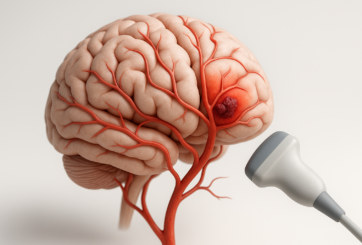
Die Würzburger Hentschel-Stiftung schreibt erneut deutschlandweit den Hentschel-Preis aus. Geehrt werden soll eine herausragende Doktorarbeit oder eine hochrangige wissenschaftliche Publikation zum Thema Schlaganfall. Die Hentschel-Stiftung „Kampf dem Schlaganfall“ mit Sitz in Würzburg fördert die Schlaganfallforschung, um die Behandlung der Betroffenen zu verbessern. Dazu schreibt sie auch in diesem Jahr wieder deutschlandweit den Hentschel-Preis aus. Er richtet sich gezielt an jüngere Forscherinnen und Forscher unter 40 Jahren. Geehrt werden soll eine herausragende Doktorarbeit oder eine hochrangige wissenschaftliche Publikation zum Thema Schlaganfall….

Nominierungen für Artikel von Wissenschaftlern in jeder Phase ihrer Karriere und aus jedem Land der Welt willkommen sind Dieser internationale Preis wurde ins Leben gerufen, um die bemerkenswertesten wissenschaftlichen Entdeckungen im biomedizinischen Bereich auszuzeichnen. Er hat sich einen wachsenden Ruf als Vorstufe zum Nobelpreis erarbeitet, da er in einer früheren Ausgabe zwei Autoren auszeichnete, die später mit dem Nobelpreis für Medizin geehrt wurden. Die vierte Ausgabe des internationalen Preises der BIAL Foundation, des BIAL Award in Biomedicine ist in vollem…

TROPHELIA Deutschland 2025: Gold für knusprigen Genuss! Team der Hochschule Bremerhaven gewinnt mit “Flexi-Nuggets” und vertritt Deutschland bei ECOTROPHELIAMit der Produktidee “Flexi-Nuggets” gewinnt das Studierenden-Team der Hochschule Bremerhaven den diesjährigen TROPHELIA-Wettbewerb. Der Ideenwettbewerb richtet sich an Studierende der Lebensmittelwissenschaften und wurde zum 16. Mal durch den Forschungskreis der Ernährungsindustrie e. V. (FEI) ausgerichtet. “Flexi-Nuggets” stehen für innovative Lebensmittel, die Nachhaltigkeit und Genuss vereinen. Sie wurden von den Studierenden der Lebensmitteltechnologie Franziska Diebel, Pauline Hoffmann und Yusuf Toprak entwickelt. Mit nur…
 Rückmeldung
