



Forschungsergebnisse zeigen: Bupropion steigert die Libido bei Frauen, die unter vermindertem sexuellen Verlangen leiden
Damit erhöhte sich die Fläche für Wintergetreide insgesamt geringfügig um 0,4% gegenüber den Ergebnissen der Bodennutzungshaupterhebung vom Mai 2006. Die Anbaufläche von Winterroggen nahm dabei um gut 24% auf 670 000 Hektar zu.
Diese Zunahme der Anbaufläche von Roggen wurde in allen Bundesländern in unterschiedlichem Maße beobachtet. In den Ländern mit den kleinsten Anbauflächen (Rheinland-Pfalz und Saarland) wurde dabei der geringste Zuwachs verzeichnet.
Bei den übrigen Wintergetreidearten ist ein Rückgang der Fläche zu verzeichnen: Die größte prozentuale Abnahme war bei Triticale (Weizen-Roggen-Kreuzung) mit 9% auf 369 000 Hektar zu beobachten. Die Anbaufläche von Winterweizen, der anbaustärksten Getreideart in Deutschland, sank um 2% auf 2,99 Millionen Hektar und die von Wintergerste um 0,6% auf 1,47 Millionen Hektar.
Außerdem bestellten die Landwirte gut 1,52 Millionen Hektar mit Winterraps. Die Fläche von Winterraps stieg damit weiter um 8%. Winterraps konnte wie Roggen in allen Bundesländern zulegen, relativ zur entsprechenden Anbaufläche des Vorjahres am deutlichsten in Niedersachsen (+ 15%) und am geringsten in Hessen (+ 1,5%).
Weitere Auskünfte gibt:
Zweigstelle Bonn,
Dr. Isabella Mehlin,
Telefon: (0611) 75-8613,
E-Mail: ernte@destatis.de



Global Technical Recognition Award der Welternährungsorganisation für die Arbeitsgruppe von Prof. Dr. Marc F. Schetelig am Institut für Insektenbiotechnologie der JLU Insekten spielen eine lebenswichtige Rolle in unseren Ökosystemen, können aber Krankheiten übertragen und der Landwirtschaft und dem Gartenbau erhebliche Schäden zufügen. Es ist daher entscheidend, Schadinsekten effektiv zu bekämpfen, während gleichzeitig nützliche Insekten erhalten bleiben. An der Justus-Liebig-Universität Gießen (JLU) erforscht die Arbeitsgruppe von Prof. Dr. Marc F. Schetelig am Institut für Insektenbiotechnologie neue biologische und biotechnologische Verfahren zur…
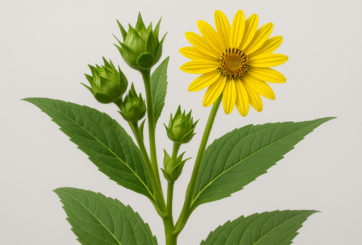
Die Durchwachsene Silphie (Silphium perfoliatum) ist als Bioenergiepflanze eine ökologisch vorteilhafte Alternative zu Silomais. Das ist das Ergebnis einer mehrjährigen Vergleichsstudie von Forschenden der Universität Bayreuth. Über ihre Ergebnisse berichten sie im Fachjournal GBC Bioenergy. —What for? Die Suche nach nachhaltigen Alternativen zur Energiegewinnung aus landwirtschaftlichen Kulturen ist ein zentrales Anliegen im Zuge der europäischen Klimaziele, bis 2050 klimaneutral zu werden. In Deutschland dominiert bislang der Mais als Energiepflanze, doch sein Anbau bringt ökologische Herausforderungen mit sich: Bodenerosion, Nährstoffauswaschung und…
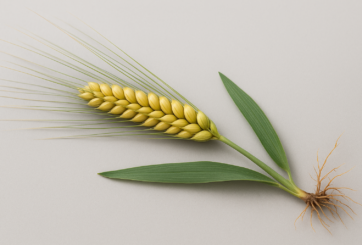
Gerste zählt zu den ältesten Kulturpflanzen der Menschheit und wird seit mehr als 10.000 Jahren kultiviert. Lange Zeit wurde vermutet, dass sie an einem einzigen Ort domestiziert wurde. Eine neue Studie eines internationalen Teams unter Führung des Leibniz-Instituts für Pflanzengenetik und Kulturpflanzenforschung (IPK) zeigt, dass die heutige Gerste aus verschiedenen Wildpopulationen im sogenannten Fruchtbaren Halbmond hervorgegangen ist. Sie besitzt also eine Art „Mosaik-Abstammung“. Die Ergebnisse der Studie wurden heute in der Fachzeitschrift „Nature“ veröffentlicht. Die Forschungsgruppe hat die Evolution und…
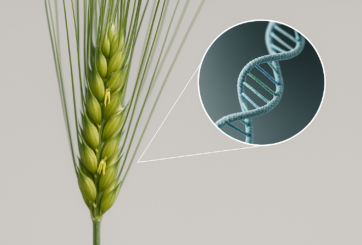
Ein Forschungsteam unter Leitung des Leibniz-Instituts für Pflanzengenetik und Kulturpflanzenforschung (IPK) hat die entscheidende Mutation eines Gens (PPD-H1) entdeckt, das Gerste in Regionen mit langen Frühlingstagen später blühen lässt und damit letztlich höhere Erträge ermöglicht. Die Wissenschaftlerinnen und Wissenschaftler, die für ihre Studie große Sammlungen von Wild- und domestizierter Gerste analysierten, konnten auch zeigen, dass die Mutation erst nach der Domestizierung in der südlichen Levante aus der Wildgerste hervorging und damit frühere Annahmen zum Ursprungsort widerlegen. Die Ergebnisse wurden in…
 Rückmeldung
