



Forschungsergebnisse zeigen: Bupropion steigert die Libido bei Frauen, die unter vermindertem sexuellen Verlangen leiden
Alle fünf Finger der Kunsthand sind individuell angetrieben und mit Gelenken versehen. Dadurch ermöglicht sie dem Prothesenträger völlig neue Griffmuster. Mit dieser neuen Fingerfertigkeit ist der Benutzer in der Lage, bis zu 90 % aller im Alltag wichtigen Bewegungen auszuführen. Möglich wurde diese revolutionäre Prothese durch den Einsatz neuester Materialien und Konstruktionstechniken. So verwendet der Hersteller beispielsweise für insgesamt 33 Komponenten der Kunsthand – darunter die einzelnen Fingerglieder und das Gehäuse für die Steuerung – einen besonders robusten und leichten Typ des Hochleistungspolyamids Zytel® HTN von DuPont.
Auf Grund des eingeschränkten Bauraums für die Mechanik der Prothesen, benötigte Touch Bionics einen hochfesten und steifen Werkstoff, dessen E-Modul mit dem eines menschlichen Knochens vergleichbar ist (15 bis 16 GPa). Zudem waren hohe Schlagzähigkeit und Oberflächenqualität gefordert.
DuPont Engineering Polymers produziert und vertreibt Crastin® PBT und Rynite® PET thermoplastische Polyester, Delrin® Polyacetale, Hytrel® thermoplastische Polyesterelastomere, DuPont™ ETPV technische thermoplastische Vulkanisate, Minlon® mineralgefüllte Polyamide, Thermx® PCT Polycyclohexylen-Dimethylterephthalat, Tynex® Filamente, Vespel® Teile und Profile, Zenite® LCP flüssigkristalline Kunststoffe, Zytel® Polyamide und Zytel® HTN Hochleistungspolyamide. Diese Produkte werden weltweit in der Luft- und Raumfahrt, im Gerätebau, in der Automobil- sowie der Elektrik- und Elektronik-Industrie, Gesundheitswesen, für Verbrauchsgüter, in der allgemeinen Industrie sowie für Sportartikel und viele andere Anwendungen eingesetzt.
DuPont ist ein wissenschaftlich orientiertes Produktions- und Dienstleistungs-Unternehmen. 1802 gegründet, setzt DuPont die Wissenschaften für nachhaltige Problemlösungen ein, die für Menschen allerorts das Leben besser, sicherer und gesünder machen. DuPont ist in über 70 Ländern aktiv und bietet eine breite Palette innovativer Produkte und Dienstleistungen für Branchen wie Landwirtschaft, Nahrungsmittel, Bauen und Wohnen sowie Transport.
Das DuPont Oval, DuPont™, The miracles of science™ und Produktnamen mit der Kennzeichnung ® sind markenrechtlich geschützt für DuPont oder eine ihrer Konzerngesellschaften.


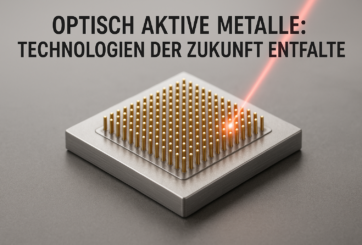
Ein internationales Forschungsteam unter Federführung der Universität Bayreuth hat ein Metall entdeckt, das elektrische Leitfähigkeit mit innerer Polarität kombiniert. Dadurch ist es in der Lage, eine sogenannte zweite harmonische Generation zu erzeugen – ein optischer Effekt, der normalerweise ausschließlich bei Nichtmetallen vorkommt und insbesondere für Sensorik und Elektrotechnik von Interesse ist. Über ihre Erkenntnisse berichten die Forschenden im Journal of the American Chemical Society. —What for? Materialien, die gleichzeitig Strom leiten und Licht beeinflussen können, sind für viele moderne Technologien…
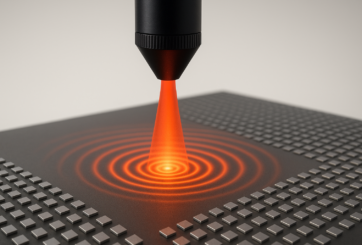
Neue Forschung, die erfolgreich leistungsstarkes, langwelliges Licht auf die Nanoskala komprimiert, könnte Fortschritte in der Terahertz-Optik und bei optoelektronischen Geräten ermöglichen, geleitet von Vanderbilt und dem Fritz-Haber-Institut. Neue Forschung, die erfolgreich leistungsstarkes, langwelliges Licht auf die Nanoskala komprimiert, könnte Fortschritte in der Terahertz-Optik und bei optoelektronischen Geräten ermöglichen, geleitet von Vanderbilt und dem Fritz-Haber-Institut Josh Caldwell, Professor für Maschinenbau und Direktor des interdisziplinären Graduiertenprogramms für Materialwissenschaften an der Vanderbilt University, und Alexander Paarmann vom Fritz-Haber-Institut leiteten ein internationales Forschungsprojekt, das…
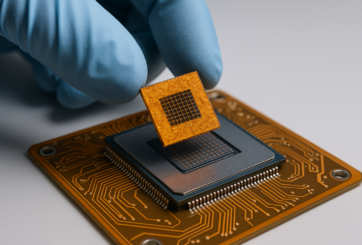
Forschungsteam weist Floquet-Effekte in Graphen nach und ebnet Weg für zielgenaue AnwendungGraphen ist ein außergewöhnliches Material – nur eine Atomlage dick, aber extrem leitfähig und stabil. Es kommt deshalb in vielen Bereichen zum Einsatz, etwa in flexiblen Displays, hochempfindlichen Sensoren, leistungsstarken Batterien und effizienten Solarzellen. Eine neue Studie hebt das Potenzial nun noch auf ein neues Level: Zum ersten Mal haben Forschende an der Universität Göttingen gemeinsam mit Kollegen aus Braunschweig, Bremen und der Schweiz direkt beobachtet, wie in Graphen…
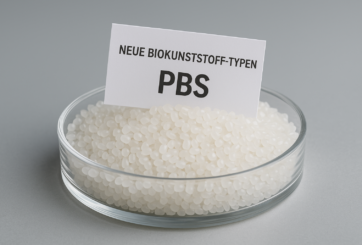
Biokunststoffe stehen seit vielen Jahren im Zentrum der Suche nach umweltfreundlichen Alternativen zu konventionellen Kunststoffen. Sie können den Bedarf an fossilen Rohstoffen reduzieren, schonen Ressourcen und tragen dazu bei, den CO₂-Ausstoß zu senken. Für industrielle Anwendungen sollten sie jedoch nicht nur nachhaltig sein, sondern sich auch gut verarbeiten lassen. Genau daran arbeitet das Fraunhofer-Institut für Angewandte Polymerforschung IAP im Potsdam Science Park und stellt seine Entwicklungen im Bereich biobasierter und bioabbaubarer Kunststoffe auf der K Messe 2025 vor, der internationalen…
 Rückmeldung
