



Forschungsergebnisse zeigen: Bupropion steigert die Libido bei Frauen, die unter vermindertem sexuellen Verlangen leiden
The discovery that a protein present only on the surface of a select group of T-cells functions to inhibit aggressive immune responses could have important implications for organ transplant patients and patients with autoimmune diseases, and could prove equally relevant in the development of vaccines for the treatment of cancer, drug-resistant tuberculosis, HIV infections and other viral diseases. The findings from animal studies at Beth Israel Deaconess Medical Center (BIDMC) and Brigham and Women’s Hospital (BWH) are described in two separate papers in the November 2003 issue of Nature Immunology.
Known as Tim-3 (T cell immunoglobulin domain, mucin domain), the proteins in question are found on the surface of TH1-helper type T cells, which when activated become the body’s first line of defense against foreign microbes.
“Activated TH1-type helper T cells both participate in and help orchestrate the attack on cells bearing proteins, thereby guarding against infection,” explains Terry Strom, MD, Chief of Immunology at BIDMC and Professor of Medicine at Harvard Medical School. “Nature gave us these cells as a critical defense against microbes.”
However, he adds, these same T-cell responses must always be carefully balanced — left unchecked, they can become overly aggressive, leading to inflammatory tissue injury and resultant autoimmune diseases, including diabetes, rheumatoid arthritis and inflammatory bowel disease. Similar problems develop among transplant patients when T-cells mount unnecessary defenses against their new organs, leading to organ rejection.
The two Nature Immunology papers, by senior authors Strom and BWH immunologist Vijay Kuchroo, DVM, PhD, found, for the first time, that Tim-3 proteins selectively serve as “checkpoints” for the immune system, helping to keep activated TH1 T-cell responses under control. Kuchroo is Associate Professor of Neurology at Harvard Medical School.
“Knowing that these proteins are not found on the surface of either [non-activated] resting T-cells or on activated T-cells other than TH1 helper cells, we hypothesized that Tim-3 served to limit and control ongoing TH1-dependent immune responses,” explains Strom. “The particular pattern of Tim-3 expression that was found in these two studies suggests that it plays a key role in squelching activation of TH1 T-cells. Nature must have wanted us to have such a mechanism so that once you have created immunity, you have a timely means of ’turning off’ the immune attack,” he adds.
Strom and his colleagues looked at autoimmune diabetes in mice, a condition known to be caused by a TH1 response against insulin-producing cells. In a mouse model of tissue transplants, they found that mice with no Tim-3 rapidly rejected the transplants, despite receiving treatments that normally ensured transplant survival. Likewise, in their paper, Kuchroo and colleagues demonstrated that Tim-3 deficiency prevented mice from acquiring a state of “immune tolerance,” which can normally be attained by administering high doses of protein.
“This clearly shows that one of the primary functions of the Tim-3 molecule is not only to regulate the expansion of TH1 cells, but also to regulate induction of tolerance in these cells,” explains Kuchroo. “The method to block the Tim-3/Tim-3L interaction with the soluble Tim-3Ig, though not useful for autoimmunity, may prove very useful in enhancing anti-tumor immunity and anti-microbial immunity.” Strom adds that the new findings suggest two important ways in which the Tim-3 pathway could be harnessed: First, by enhancing the Tim-3 signal, the response of TH1 cells could be diminished, thereby creating immune tolerance, and squelching the development of autoimmune diseases or preventing organ rejection.
And second, by blocking the Tim-3 pathway, TH1 responses could be amplified, thereby helping the immune system mount a more vigorous attack against foreign microbes or tumor cells, which could prove to be an important application when used in vaccine development, for example.
“From a therapeutic perspective, the implications of these new findings are intriguing,” says Strom.
The Strom study was funded by the Juvenile Diabetes Research Foundation, the National Institute of Allergy and Infectious Diseases and the Center for Islet Transplantation at Harvard Medical School; the Kuchroo study was funded by the National Multiple Sclerosis Society and the National Institutes of Health.
Co-authors of the Strom paper include lead investigator Alberto Sanchez-Fueyo, MD, Christoph Domenig, MD, and Xin Xiao Zheng, MD, of Beth Israel Deaconess Medical Center; Jane Tian, Dominic Picarella, Jose-Carlos Gutierrez-Ramos, PhD, and Anthony Coyle, PhD, of Millennium Pharmaceuticals, Cambridge, Mass.; Catherine Sabotos, MSc, and Vijay Kuchroo, DVM, PhD, of Brigham and Women’s Hospital; Natasha Manlongat of Hammersmith College, London; and Orissa Bender and Thomas Kamradt of Deutsches Rheumaforschungs Zentrum, Berlin. Co-authors of the Kuchroo paper, in addition to Catherine Sabotos, MSc, include BWH researchers Sumone Chakravarti, PhD, Eugene Cha, BA, and Anna Shubart, PhD; and Gordon Freeman of the Dana-Farber Cancer Institute.
Beth Israel Deaconess Medical Center is a major patient care, teaching and research affiliate of Harvard Medical School, ranking third in National Institutes of Health funding among independent hospitals nationwide. The medical center is clinically affiliated with the Joslin Diabetes Center and is a founding member of the Dana-Farber/Harvard Cancer Center. BIDMC is the official hospital of the Boston Red Sox.
Brigham and Women’s Hospital is a 725-bed nonprofit teaching affiliate of Harvard Medical School and a founding member of Partners Healthcare System, an integrated health care delivery network. Internationally recognized as a leading academic health care institution, BWH is committed to excellence in patient care, medical research, and the training and education of health care professionals. The hospital’s preeminence in all aspects of clinical care is coupled with its strength in medical research. A leading recipient of research grants from the National Institutes of Health, BWH conducts internationally acclaimed clinical, basic, and epidemiological studies.
CONTACT: Bonnie Prescott, BIDMC 617-667-7306; bprescot@bidmc.harvard.edu
Amy Dayton, BWH, 617-534-1600


Ein interdisziplinäres Forschungsteam der Universitätsmedizin Magdeburg hat neue Erkenntnisse gewonnen, wie Darmkrebs künftig individueller behandelt werden kann. In ihrer aktuellen Studie, veröffentlicht in der Fachzeitschrift Molecular Oncology, zeigen die Forschenden, dass Mini-Tumore aus Gewebe von Patientinnen und Patienten – sogenannte Organoide – genutzt werden können, um vorab zu prüfen, welche Medikamente am besten wirken. Dabei wurde ein Eiweiß identifiziert, das künftig als Biomarker für die Wahl der passenden Therapie dienen könnte. Darmkrebs zählt weltweit zu den häufigsten Krebsarten und stellt…
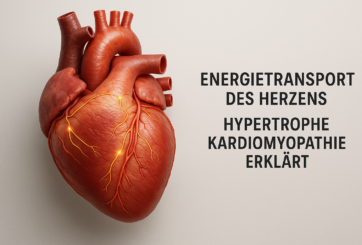
OXIDATIVER STRESS SCHALTET KREATINKINASE AN WICHTIGEN STELLEN AUS, SODASS DAS HERZ AUS DEM ENERGIEGLEICHGEWICHT KOMMTForschende aus dem Deutschen Zentrum für Herzinsuffizienz zeigen in einer internationalen, multizentrischen Studie im Journal Circulation, warum der Energietransport bei der Hypertrophen Kardiomyopathie (HCM) versagen kann und wie sich durch eine Verringerung der Herzbelastung und des oxidativen Stresses Rhythmusstörungen reduzieren lassen. Würzburg. Die hypertrophe Kardiomyopathie (HCM) ist die häufigste erblich bedingte Herzerkrankung. Sie führt dazu, dass sich die linke Herzkammer verdickt, der Herzmuskel zu stark kontrahiert…
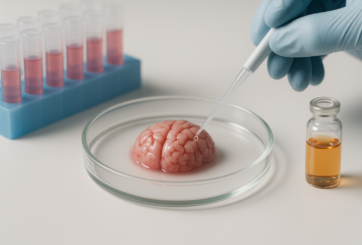
Das Medulloblastom ist bei Kindern und Jugendlichen einer der häufigsten bösartigen Hirntumore des Zentralen Nervensystems. Etwa 70 bis 80 Prozent der Betroffenen können mit heutigen Methoden geheilt werden. Viele müssen jedoch mit schweren Langzeitfolgen der aggressiven Therapien leben. Dringend benötigt werden zielgerichtete Therapien, die nur Tumorschwachstellen angreifen und normales Gewebe verschonen. Forschende um Daniel Merk vom Hertie-Institut für klinische Hirnforschung am Universitätsklinikum Tübingen haben eine solche Schwachstelle im Erbgut einer Untergruppe des Medulloblastoms gefunden. Die Wilhelm Sander-Stiftung unterstützte das Projekt…
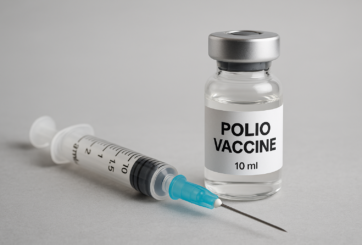
HZI-Studie an digitaler Kohorte zeigt Unterschiede zwischen dokumentierter und selbstberichteter Polioimpfquote Die Poliomyelitis, auch bekannt als Kinderlähmung, ist eine ansteckende Krankheit, die durch das Poliovirus verursacht wird. Durch die Entwicklung wirksamer Impfstoffe konnte das Poliovirus weit zurückgedrängt werden und war 2024 nur noch in zwei Ländern endemisch. Bis das Virus weltweit ausgerottet ist, ist aber auch in Deutschland ein Impfschutz wichtig, da das Virus jederzeit wieder eingeschleppt werden könnte. Epidemiolog:innen des Helmholtz-Zentrums für Infektionsforschung (HZI) haben nun gezeigt, dass viele…
 Rückmeldung
