



Forschungsergebnisse zeigen: Bupropion steigert die Libido bei Frauen, die unter vermindertem sexuellen Verlangen leiden
Die Epos P 24/5 ist eine frei programmierbare Positioniersteuerung mit integrierter Endstufe für bürstenbehaftete und bürstenlose Gleichstrommotoren maximal 120 W. Laut Hersteller lassen sich damit sehr dynamische Präzisionsantriebe und Steuerungssysteme mit kleinsten Abmessungen realisieren. Ausgerüstet mit einem eingebauten Prozessor und Speicher ist die Masterversion auch für den Stand-alone-Betrieb geeignet.


Was bisher nur Fachkräfte konnten, schaffen bald auch Quereinsteiger: Am Beispiel einer Falzmaschine hat ein Forscher vom Fraunhofer IPA das Bedienkonzept der Mensch-Maschine-Schnittstelle so sehr vereinfacht, dass nun auch Laien die Maschine umrüsten können. Die zugrunde liegende Methodik lässt sich auf alle anderen Maschinen übertragen. Eine Falzmaschine umzurüsten ist ein Job für echte Profis. Eine solche Maschine faltet in Druckereien Broschüren, Prospekte, Landkarten und vieles mehr – mehrere Zehntausend Exemplare pro Stunde. Je nach Maschinentyp und Auftrag kann das Umrüsten…
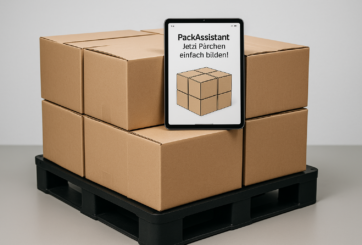
Fraunhofer SCAI zeigt auf der FACHPACK die neue Version von PackAssistant. Verpackungsplaner weltweit nutzen die Software in den Branchen Automobil, Maschinenbau und in der Zulieferindustrie. Mit der Funktion Pärchenbildung lassen sich nun zwei Teile als eine Einheit verpacken. Die Anordnung kann der Benutzer vorgeben und erhält so mehr Kontrolle über die Positionierung der Bauteile. Die ebenfalls neue Automatisierungsschnittstelle dient dazu, die Software besser in spezifische Unternehmensprozesse einzubinden. Sankt Augustin – Zur Messe FACHPACK vom 23. bis 25. September in Nürnberg…
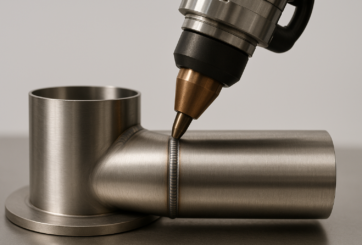
In zahlreichen Bauteilen technischer Anwendungen sind Bindenähte nicht zu vermeiden und stellen besonders bei Rezyklaten aufgrund der Vorgeschichte des Matrixmaterials eine große Herausforderung dar. Zuverlässigkeitsexperten aus dem Fraunhofer-Institut für Betriebsfestigkeit und Systemzuverlässigkeit LBF möchten in dem Projekt »Design for Reliability – Bindenähte in technischen Bauteilen« gemeinsam mit Partnern grundlegende Zusammenhänge hinsichtlich der Zuverlässigkeit von Bindenähten untersuchen. Durch den verstärkten Einsatz von Rezyklaten aufgrund der ELV-Verordnung der EU, wird die Zuverlässigkeits- und Lebensdauerbewertung von Rezyklaten besonders herausfordernd. Die Vorgeschichte des Materialmix…

Die Fraunhofer-Institute für Werkzeugmaschinen und Umformtechnik IWU sowie für Fertigungstechnik und Angewandte Materialforschung IFAM haben einen Durchbruch in der Materialforschung erzielt: Der Verbundwerkstoff HoverLIGHT setzt neue Maßstäbe für die Konstruktion von Werkzeugmaschinen. Durch die Kombination von Aluminiumschaum und partikelgefüllten Hohlkugeln erreicht HoverLIGHT einen bisher unerreichten Eigenschaftsmix aus Leichtigkeit, Steifigkeit und Schwingungsdämpfung. In einem Gemeinschaftsprojekt mit einem Industriepartner gelang nun erstmals der Nachweis, dass HoverLIGHT bei Serienmaschinen Schwingungen um den Faktor 3 besser dämpft. Und das bei einer Gewichtseinsparung von 20…
 Rückmeldung
