



Forschungsergebnisse zeigen: Bupropion steigert die Libido bei Frauen, die unter vermindertem sexuellen Verlangen leiden
Unter Leitung von Karsten Weber, Axel Schulz und Ricarda Drüeke (alle Frankfurt/Oder) findet am 10. und 11. Februar am Zentrum für interdisziplinäre Forschung (ZiF) der Universität Bielefeld eine Tagung zum Thema “Privatsphäre und Überwachungstechnologie – Interkulturelle und interdisziplinäre Perspektiven” statt. Die Unterscheidung einer privaten und einer öffentlichen Sphäre des Lebens ist für westlich geprägte Gesellschaften konstituierend, vor allem für die Organisation des politischen Lebens sowie als Instrumentarium für juristische Entscheidungen – gleichzeitig stellen Öffentlichkeit und Privatsphäre wichtige Lebensbereiche aller Mitglieder einer Gesellschaft dar. Spätestens seit Louis D. Warren und Samuel D. Brandeis in ihrem Artikel A Right to Privacy 1890 eine konzise Definition des Privaten gegeben haben, ist die Unterscheidung von Öffentlichkeit und Privatsphäre Gegenstand der Rechtswissenschaften, Sozialwissenschaften oder auch der politischen Philosophie. Die technischen und sozialen Entwicklungen seit dem Erscheinen des Artikels erfordern nun eine neue Diskussion über das, was die Ausdrücke ’privat’ und ’öffentlich’ bezeichnen sollen, wie diese beiden Begriffe heute zueinander stehen und worin sie sich unterscheiden. Denn Informations- und Kommunikationstechnologie macht möglich, was bei Jeremy Bentham zwar bereits an- und später bei Michel Foucault weitergedacht wurde, aber doch erst jetzt tatsächlich realisierbar wird: die völlige und allgegenwärtige Überwachung und Kontrolle letztlich jeden Aspekts unseres Lebens.
Wie sich dies auf unsere Gesellschaften und insbesondere auf unser Verständnis der Privatsphäre auswirken wird, ist dabei beileibe nicht klar. Die liberale Auffassung, dass es einen Raum des Privaten geben müsse, damit sich Menschen zu autonomen, selbstbewussten, kritikfähigen und kreativen Persönlichkeiten entwickeln könnten, ist zunächst eine Idee, die eng mit der abendländischen Kultur verbunden zu sein scheint. In anderen Kulturen jedoch finden sich andere, aber funktional äquivalente soziale Umgangsformen, Normen oder Institutionen, die an die Stelle der Privatsphäre treten. Westlich geprägte Gesellschaften werden daher sicherlich bei Umgestaltungen im Raum des Privaten nicht zusammenbrechen, aber sie werden sich verändern.
Entscheidend wird jedoch mit Sicherheit einerseits sein, wie sich in Zukunft die Technologien entwickeln werden, die zur Überwachung und Kontrolle genutzt werden können, andererseits aber, wie sich die betroffenen Menschen und ihre Gesellschaften als Ganzes dazu verhalten werden. Die Verwendung entsprechender Technologien wird beileibe nicht mehr nur von staatlichen Institutionen vorangetrieben, wie dies beispielsweise in den 1980er Jahren in Deutschland befürchtet wurde, sondern Überwachung und Kontrolle wird zunehmend von privaten Akteuren ausgeübt – von Unternehmen, Arbeitgebern und nicht zuletzt von uns selbst. Insbesondere ökonomische Interessen befördern die Sammlung von Informationen über Konsumenten, Arbeitnehmer oder einfach andere Personen: wer etwa das bisherige Konsumverhalten seiner Kunden gut kennt, kann dieses Wissen möglicherweise zur Steuerung zukünftigen Konsums nutzen.
Diesen nur kurz skizzierten Fragen soll in diesem Workshop nachgespürt werden. In Vorträgen und Diskussionen wird versucht, sich dem Thema Privatsphäre sowohl aus einer interdisziplinären Perspektive zu nähern – es werden Sozial-, Politik- und Medienwissenschaftler sowie Juristen, Informatiker und Philosophen sprechen – als auch eine kulturübergreifende Position einzunehmen, um unter anderem eine Antwort darauf zu finden, ob Privatsphäre tatsächlich ausschließlich kulturspezifisch gegeben ist oder ob verschiedene Varianten davon existieren, die in unterschiedlichen sozialen Formen auftreten können.
Bei inhaltlichen Fragen: PD Dr. Karsten Weber, Tel. 0335/5534 2247; E-Mail: kweber@euv-frankfurt-o.de
Anfragen zur Tagungsorganisation: Tagungsbüro des ZiF, Tel. 0521/106 2769; Email: Trixi.Valentin@uni-bielefeld.de
Pressemitteilung Nr. 30/2006
Universität Bielefeld
Informations- und Pressestelle
Dr. Hans-Martin Kruckis
Telefon: 0521/106-4074 (Sekretariat: 4146)
Fax: 0521/106-2964
E-Mail: hans-martin.kruckis@uni-bielefeld.de


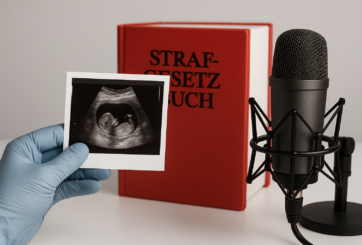
Fast 80% der Deutschen befürworten, dass Schwangerschaftsabbrüche in den ersten zwölf Wochen ohne Einschränkungen erlaubt sind – und doch bleibt das Thema hoch emotional und politisch umkämpft. CDU-Chef Friedrich Merz warnte 2024 vor einer gesellschaftlichen Spaltung des Landes, und 2025 sorgt der Fall Brosius-Gersdorf für Schlagzeilen.Das Sozialwissenschaftliche Institut der EKD hat untersucht, wie Menschen in Deutschland wirklich über Schwangerschaftsabbrüche denken und wie sich ihre Haltung je nach Konfession, Region und Bildung unterscheidet. Darüber sprechen Veronika Eufinger und Dr. Kristin Torka…
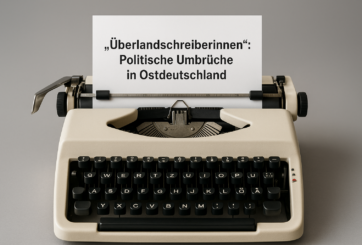
Im vergangenen Jahr startete Dr. Alexander Leistner, Soziologe an der Universität Leipzig, das ungewöhnliche Projekt „Überlandschreiberinnen – Ways across the Country“. Nun ist das „Projektbuch“ erschienen, geschrieben von Leistner und den Schriftstellerinnen Manja Präkels, Tina Pruschmann und Barbara Thériault. Es trägt den Titel „Extremwetterlagen – Reportagen aus einem neuen Deutschland“ und enthält eine Vielzahl von zivilgesellschaftlichen Stimmen und Beobachtungen in ländlichen Regionen. Im Interview spricht Projektleiter Leistner über die Idee, das Vorgehen und wichtige Erkenntnisse. Das Buch deute an, „wie…

Von den 5,7 Millionen pflegebedürftigen Menschen gemäß Elften Sozialgesetzbuch in Deutschland werden 86 Prozent in Privathaushalten gepflegt. Bis 2050 wird eine Zunahme der Pflegebedürftigen auf 9 Millionen erwartet. Vor diesem Hintergrund beleuchten Wissenschaftler*innen des Deutschen Zentrums für Altersfragen, des DIW Berlin und der TU Dortmund aktuelle Pflegearrangements. Besonderes Augenmerk wurde auf die Unterschiede zwischen Angehörigen- und Zugehörigenpflege in und außerhalb des eigenen Haushalts gelegt. Pflege im eigenen Haushalt richtet sich oft an den/die Partner*in und dies häufig im Rentenalter, was…

Wenn Populationen aufeinandertreffen, tauschen sie oft Gene aus. Aber es treffen auch ihre Sprachen aufeinander, und solche Begegnungen können Sprachen verändern. Wie stark tun sie dies tatsächlich, und unterscheiden sich diese Veränderungen je nach Art des Kontakts? Um diese Fragen zu beantworten, hat eine internationale Studie unter Leitung der Universität Zürich globale Muster des genetischen Austauschs mit linguistischen Daten verknüpft. Die Ergebnisse zeigen, dass Kontakt zwischen Populationen die Ähnlichkeiten zwischen ihren Sprachen weltweit in ähnlichem Mass erhöht, wobei sich die…
 Rückmeldung
