



Forschungsergebnisse zeigen: Bupropion steigert die Libido bei Frauen, die unter vermindertem sexuellen Verlangen leiden
Die Investition in eine Biogasanlage ist für große und funktionierende landwirtschaftliche Betriebe eine gute Möglichkeit, zusätzliches Einkommen zu generieren und ihr Unternehmen gegen zukünftige Krisen in der Landwirtschaft abzusichern. Für kleinere landwirtschaftliche Betriebe und solche, die mit Problemen des Fortbestehens zu kämpfen haben, ist indes die Investition in eine Biogasanlage in der Regel keine Möglichkeit, ihr Unternehmen zu retten.
Zu diesem Fazit kommt Tim Barkmann in seiner Diplomarbeit am Lehrstuhl Wirtschaftsgeographie und Regionalplanung (Prof. Dr. Drs. h.c. Jörg Maier). Die von der Simon-Nüssel-Stiftung geförderte Arbeit untersucht dabei vergleichend die Situation in den Landkreisen Bayreuth und Oldenburg. Die Ergebnisse wurden jetzt im Heft 261 der Arbeitsmaterialien zur Raumordnung und Raumplanung vorgelegt.
2007 war auch in der Landwirtschaft ein Jahr mit fortschreitendem Strukturwandel, verbunden mit der Abnahme von Betrieben bei einem weiteren Wachstum der größeren Betriebe. Vor allem jedoch war es ein Jahr der Diskussion um neue Erwerbsmöglichkeiten für Landwirte im Bereich nachwachsender Rohstoffe. In Verbindung mit dem politischen Willen, Veränderungen im Energiemarkt zu erreichen, haben sich zunehmend auch Chancen für Landwirte auf diesem Gebiet ergeben, insbesondere nach Einführung des Gesetzes für den Vorrang erneuerbarer Energien im Jahr 2000 bzw. seiner Novellierung 2004. Der Bereich der Biogasanlagen erscheint dabei als eine interessante Einkommensalternative.
Die Befragungen der Landwirte mit Biogasanlagen ergeben, dass es sich hierbei um eine sinnvolle Einkommensalternative handelt. Jedoch folgte die Feststellung, dass es bis auf wenige Ausnahmen große landwirtschaftliche Betriebe sind, die von der EEG- Novellierung und von der Nutzung der Biogasanlagen profitieren. Dieses geht so weit, dass sogar Landwirte aus der Nahrungsmittelproduktion aussteigen oder über einen Ausstieg nachdenken.
Außerdem ergeben sich dadurch auch Probleme, denn es entsteht gerade bei der Produktion der für den Betrieb der großen NaWaRo-Anlagen notwendigen nachwachsenden Rohstoffe eine Konkurrenz um Flächen, die sonst der Nahrungsmittelproduktion dienen. Auch steigen durch diese Aspekte unter Umständen die Pachtpreise, da diese Anlagen gewinnbringender arbeiten als konventionelle Betriebe. Die Nutzung der Flächen für die Biogasanlagen kann sich aber auch positiv auf die Marktsituation auswirken, da weniger landwirtschaftliche Produkte für den Markt produziert werden und somit steigende Preise zu einer Einkommensverbesserung in der Landwirtschaft führen können.
Es wurde von Barkmann aber auch festgestellt, dass die NaWaRo-Anlagen erst entstanden sind, seitdem eine höhere Einspeisevergütung gezahlt wird, und die meisten Landwirte ohne diese die Anlage nicht betreiben würden. Sofern das EEG in seiner jetzigen Form bestehen bleibt und die Vergütung nicht wesentlich sinkt, ist es denkbar, dass weitere Anlagen errichtet werden.
In jüngerer Zeit werden durch Investoren aber auch Großanlagen gebaut. Für Landwirte, die über zu geringe finanzielle Mittel verfügen eine eigene Biogasanlage zu errichten, bieten diese Anlagen die Möglichkeit Einkommen zu erwirtschaften, indem sie Rohstoffe an die Betreiber dieser Anlage liefern. Jedoch verringert sich so die Wertschöpfung der Landwirte. Hierbei muss ein Konsens zwischen klimaschonender Energieerzeugung und den hohen Zielsetzungen der Politik einerseits und der Förderung der Landwirtschaft und des ländlichen Raumes andererseits gefunden werden. Eine Alternative sind laut Barkmann regionale Zusammenschlüsse von Landwirten, die durch die Errichtung von Gemeinschaftsanlagen ihre Unabhängigkeit von externen Investoren bewahren.
Weitere Informationen
Professor Dr. Drs. h.c. Jörg Maier
Tel. 0921/55-2262
Mail: joerg.maier@uni-bayreuth.de
Tim Barkmann
Vom Landwirt zum Energiewirt – Eine Einkommensalternative?
Arbeitsmaterialien zur Raumordnung und Raumplanung
Hrsg. von Jörg Maier
Heft 261, Bayreuth 2007
105 Seiten, , € 14, —



Global Technical Recognition Award der Welternährungsorganisation für die Arbeitsgruppe von Prof. Dr. Marc F. Schetelig am Institut für Insektenbiotechnologie der JLU Insekten spielen eine lebenswichtige Rolle in unseren Ökosystemen, können aber Krankheiten übertragen und der Landwirtschaft und dem Gartenbau erhebliche Schäden zufügen. Es ist daher entscheidend, Schadinsekten effektiv zu bekämpfen, während gleichzeitig nützliche Insekten erhalten bleiben. An der Justus-Liebig-Universität Gießen (JLU) erforscht die Arbeitsgruppe von Prof. Dr. Marc F. Schetelig am Institut für Insektenbiotechnologie neue biologische und biotechnologische Verfahren zur…

Die Durchwachsene Silphie (Silphium perfoliatum) ist als Bioenergiepflanze eine ökologisch vorteilhafte Alternative zu Silomais. Das ist das Ergebnis einer mehrjährigen Vergleichsstudie von Forschenden der Universität Bayreuth. Über ihre Ergebnisse berichten sie im Fachjournal GBC Bioenergy. —What for? Die Suche nach nachhaltigen Alternativen zur Energiegewinnung aus landwirtschaftlichen Kulturen ist ein zentrales Anliegen im Zuge der europäischen Klimaziele, bis 2050 klimaneutral zu werden. In Deutschland dominiert bislang der Mais als Energiepflanze, doch sein Anbau bringt ökologische Herausforderungen mit sich: Bodenerosion, Nährstoffauswaschung und…
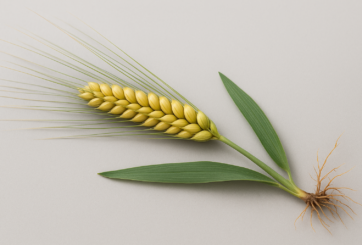
Gerste zählt zu den ältesten Kulturpflanzen der Menschheit und wird seit mehr als 10.000 Jahren kultiviert. Lange Zeit wurde vermutet, dass sie an einem einzigen Ort domestiziert wurde. Eine neue Studie eines internationalen Teams unter Führung des Leibniz-Instituts für Pflanzengenetik und Kulturpflanzenforschung (IPK) zeigt, dass die heutige Gerste aus verschiedenen Wildpopulationen im sogenannten Fruchtbaren Halbmond hervorgegangen ist. Sie besitzt also eine Art „Mosaik-Abstammung“. Die Ergebnisse der Studie wurden heute in der Fachzeitschrift „Nature“ veröffentlicht. Die Forschungsgruppe hat die Evolution und…

Ein Forschungsteam unter Leitung des Leibniz-Instituts für Pflanzengenetik und Kulturpflanzenforschung (IPK) hat die entscheidende Mutation eines Gens (PPD-H1) entdeckt, das Gerste in Regionen mit langen Frühlingstagen später blühen lässt und damit letztlich höhere Erträge ermöglicht. Die Wissenschaftlerinnen und Wissenschaftler, die für ihre Studie große Sammlungen von Wild- und domestizierter Gerste analysierten, konnten auch zeigen, dass die Mutation erst nach der Domestizierung in der südlichen Levante aus der Wildgerste hervorging und damit frühere Annahmen zum Ursprungsort widerlegen. Die Ergebnisse wurden in…
 Rückmeldung
