



Forschungsergebnisse zeigen: Bupropion steigert die Libido bei Frauen, die unter vermindertem sexuellen Verlangen leiden
“Kurzfristig können Operationen bei Bandscheibenvorfällen an der Lendwirbelsäuel helfen, mittel- und langfristig sind die Ergebnisse von operierten und nicht-operierten Patienten gleich”, sagte Prof. Dr. med. Peter Wehling vom Zentrum für Molekulare Orthopädie am Donnerstag in Berlin nach Auswertung von circa 1.200 Publikationen. Zu diesem Schluss kommt zum Beispiel die weltweit größte klinische Studie bei 1244 Bandscheibenpatienten.
“Die verschiedenen Studien machen deutlich, dass es beim Bandscheibenvorfall keine Standardtherapie gibt. Vielmehr ist ein individuell auf jeden Patienten abgestimmtes Behandlungskonzept auf Basis einer gründlichen Diagnostik gefragt”, sagte Wehling.
Rückenschmerzen – Ein Therapie-Mix führt zum Erfolg
Bei Verdacht auf einen Bandscheibenvorfall sind eine gründliche Diagnostik mit MRT (Magnetresonanz-Tomographie) und eine genaue Schmerzmessung erforderlich. “Durch das Verständnis des Schmerzes kann eine fundierte Entscheidung für die voraussichtlich optimale Therapie gemeinsam mit dem Patienten getroffen werden”, erklärte Wehling. Eine Operation sei immer dann notwendig, wenn eine akute Blasen-Mastdarm-Störung oder schwere Nervenausfälle vorliegen. Ansonsten führt eine Kombination aus medikamentöser Therapie, Physiotherapie und Akupunktur zur Besserung.
“Bei der nicht-operativen Behandlung hat die Injektionstherapie an der Nervenwurzel einen hohen Stellenwert”, betonte Wehling. Zur Schmerzlinderung, die im Vordergrund steht, können verschiedene schmerz- und entzündungshemmende Medikamente (z.B. Diclofenac, Kortison) sowie körpereigene Proteine, wie die Orthokin-Therapie, eingesetzt werden.
Bei der Orthokin-Therapie werden aus dem Blut des Patienten entzündungs- und schmerzhemmende Proteine gewonnen und an die betroffenen Nerven injiziert. Hierbei handelt es sich unter anderem um das Protein Interleukin-1-Rezeptorantagonist. Das körpereigene Serum lindert die Schmerzen nachhaltig und stoppt die Entzündung der Nerven. Damit tritt eine deutliche Besserung der Rückenschmerzen ein. Die Wirksamkeit und Sicherheit der Orthokin-Rückentherapie ist durch eine klinische Studie an der Ruhruniversität Bochum belegt, die kürzlich in der Fachzeitschrift Spine veröffentlicht wurde.
Rückenschmerzen – eine häufige Erkrankung
In Deutschland werden jährlich circa 30.000 Bandscheibenoperationen vorgenommen, bei der die Bandscheibe entfernt wird. – Mindestens einmal im Leben leidet fast jeder Mensch unter Rückenschmerzen. Das Kreuz mit dem Kreuz kann je nach Alter verschiedene Gründe haben. Im mittleren Alter sind häufig Bandscheibenvorfälle die Ursache des Leidens. Besonders häufig sind Männer im Alter von 35 bis 45 Jahren betroffen. Älteren Menschen machen oft Veränderungen der Wirbelsäule und Abnutzungserscheinungen zu schaffen. Auch Fehlhaltungen, genetische Faktoren oder seelische Belastungen spielen eine Rolle. Gemeinsam ist vielen Rückenleiden, dass Bandscheibe oder Knochen auf die empfindlichen Nerven drücken, die zwischen den Wirbeln austreten. Schmerzen und manchmal Gefühlsstörungen der betroffenen Bereiche sind die Folgen.
Für Rückfragen stehen wir Ihnen gern zur Verfügung:
Zentrum für Molekulare Orthopädie
Prof. Dr. med. Peter Wehling
Königsallee 53-55
40212 Düsseldorf
Presse- und Öffentlichkeitsarbeit
Antje Kassel, Dipl.-Journ.
mobil 0173/ 2402901
E-Mail a.kassel@gmx.de


Ein interdisziplinäres Forschungsteam der Universitätsmedizin Magdeburg hat neue Erkenntnisse gewonnen, wie Darmkrebs künftig individueller behandelt werden kann. In ihrer aktuellen Studie, veröffentlicht in der Fachzeitschrift Molecular Oncology, zeigen die Forschenden, dass Mini-Tumore aus Gewebe von Patientinnen und Patienten – sogenannte Organoide – genutzt werden können, um vorab zu prüfen, welche Medikamente am besten wirken. Dabei wurde ein Eiweiß identifiziert, das künftig als Biomarker für die Wahl der passenden Therapie dienen könnte. Darmkrebs zählt weltweit zu den häufigsten Krebsarten und stellt…
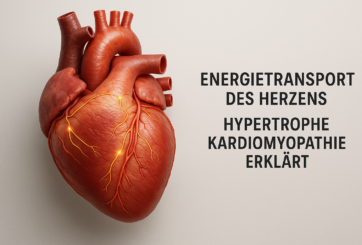
OXIDATIVER STRESS SCHALTET KREATINKINASE AN WICHTIGEN STELLEN AUS, SODASS DAS HERZ AUS DEM ENERGIEGLEICHGEWICHT KOMMTForschende aus dem Deutschen Zentrum für Herzinsuffizienz zeigen in einer internationalen, multizentrischen Studie im Journal Circulation, warum der Energietransport bei der Hypertrophen Kardiomyopathie (HCM) versagen kann und wie sich durch eine Verringerung der Herzbelastung und des oxidativen Stresses Rhythmusstörungen reduzieren lassen. Würzburg. Die hypertrophe Kardiomyopathie (HCM) ist die häufigste erblich bedingte Herzerkrankung. Sie führt dazu, dass sich die linke Herzkammer verdickt, der Herzmuskel zu stark kontrahiert…
Das Medulloblastom ist bei Kindern und Jugendlichen einer der häufigsten bösartigen Hirntumore des Zentralen Nervensystems. Etwa 70 bis 80 Prozent der Betroffenen können mit heutigen Methoden geheilt werden. Viele müssen jedoch mit schweren Langzeitfolgen der aggressiven Therapien leben. Dringend benötigt werden zielgerichtete Therapien, die nur Tumorschwachstellen angreifen und normales Gewebe verschonen. Forschende um Daniel Merk vom Hertie-Institut für klinische Hirnforschung am Universitätsklinikum Tübingen haben eine solche Schwachstelle im Erbgut einer Untergruppe des Medulloblastoms gefunden. Die Wilhelm Sander-Stiftung unterstützte das Projekt…

HZI-Studie an digitaler Kohorte zeigt Unterschiede zwischen dokumentierter und selbstberichteter Polioimpfquote Die Poliomyelitis, auch bekannt als Kinderlähmung, ist eine ansteckende Krankheit, die durch das Poliovirus verursacht wird. Durch die Entwicklung wirksamer Impfstoffe konnte das Poliovirus weit zurückgedrängt werden und war 2024 nur noch in zwei Ländern endemisch. Bis das Virus weltweit ausgerottet ist, ist aber auch in Deutschland ein Impfschutz wichtig, da das Virus jederzeit wieder eingeschleppt werden könnte. Epidemiolog:innen des Helmholtz-Zentrums für Infektionsforschung (HZI) haben nun gezeigt, dass viele…
 Rückmeldung
