



Forschungsergebnisse zeigen: Bupropion steigert die Libido bei Frauen, die unter vermindertem sexuellen Verlangen leiden
Vericolor ist ein berührungslos messendes System, das unabhängig vom Umgebungslicht misst und eine sehr geringe Abstandsempfindlichkeit zur Probenoberfläche aufweist.
Das Messsystem besteht aus einer Basiseinheit und bis zu sechs weiteren Sensorköpfen sowie einer auf Windows-basierenden Software. Das System kann allein verwendet werden oder in andere Automatisierungs- und Informationssysteme integriert werden.
Patentierte hochauflösende Farbtechnik
Das Vericolor-System zur hochauflösenden Farbbestimmung ist patentiert und verwendet in der Grundversion acht verschiedene Wellenlängen zur Messung der Farbe. Acht LEDs beleuchten die Proben mit überlappenden Farbspektren und erlauben die Identifizierung jeder praktisch vorkommenden Farbe.
Während die Messdaten von Spektralphotometern und üblichen industriellen Sensoren durch das Umgebungslicht stark beeinflusst werden können, ist die Messung mit dieser Entwicklung nahezu unabhängig vom Umgebungslicht.
Das Vericolor-System ist ebenfalls sehr tolerant gegenüber Abstandsvariationen zwischen dem Sensorkopf und der Probenoberfläche. Für sehr hohe Genauigkeitsanforderungen gibt es das Vericolor-Spectro, welches die Probe im sichtbaren Bereich an 31 Stützstellen vermisst und eine spektrale Auflösung von 10 nm erreicht.
Die Messwerte werden hier im CIE-Lab-Format ausgegeben. Mit dieser Technik können selbst minimale Farbdifferenzen auf variierenden Oberflächen unterschieden werden. Weiterhin können Probleme mit metameren Farben vermieden werden, bei denen der Farbeindruck des Betrachters stark vom jeweiligen Umgebungslicht abhängt.
Robustes Design für Langzeiteinsätze in der Industrie
Das Vericolor-System ist für den Einsatz unter Industriebedingungen entwickelt worden. Es benötigt weder eine Neu-Kalibrierung noch einen anderen Service. Das System unterliegt weder Abnutzungserscheinungen noch können mechanische Fehler auftreten, lediglich die Sensorlinse muss sauber gehalten werden.
Die Zukunft der industriellen Farbverifizierung
Wenn man den Prognosen der Industrie folgt, so wird der Trend zu einem ILVS-Produktionsverfahren (ILVS = In-Line-Vehicle System) in den nächsten Jahren noch weiter ausgebaut. Zusätzlich werden, bedingt durch die Globalisierung in der Produktions- und Zulieferkette, kleine Störungen im Zulieferprozess eine immer größere Wirkung auf die Produktivität haben.
Diese und weitere Trends werden dafür sorgen, dass die Notwendigkeit zu einer immer intensiveren Fehlerkontrolle im Zulieferprozess zunimmt. Auch wird es weitere Software-Entwicklungen geben, welche die Fähigkeiten der vorhandenen Sensoren noch stärker auswerten. Beispielsweise ist es in der neuesten Vericolor-Software möglich, Pass-Fail-Bewertungen mit individuellen Toleranzen für Farb- und Helligkeitsabweichungen durchzuführen.
Präzisionsmessung mit 10 nm spektraler Auflösung
Das Vericolor-Spectro vermisst die Probe im sichtbaren Bereich an 31 Stützstellen und erreicht eine spektrale Auflösung von 10 nm. Die Messwerte werden im CIE-Lab-Format ausgegeben.


Was bisher nur Fachkräfte konnten, schaffen bald auch Quereinsteiger: Am Beispiel einer Falzmaschine hat ein Forscher vom Fraunhofer IPA das Bedienkonzept der Mensch-Maschine-Schnittstelle so sehr vereinfacht, dass nun auch Laien die Maschine umrüsten können. Die zugrunde liegende Methodik lässt sich auf alle anderen Maschinen übertragen. Eine Falzmaschine umzurüsten ist ein Job für echte Profis. Eine solche Maschine faltet in Druckereien Broschüren, Prospekte, Landkarten und vieles mehr – mehrere Zehntausend Exemplare pro Stunde. Je nach Maschinentyp und Auftrag kann das Umrüsten…
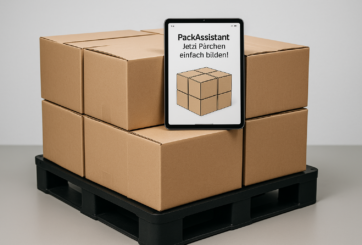
Fraunhofer SCAI zeigt auf der FACHPACK die neue Version von PackAssistant. Verpackungsplaner weltweit nutzen die Software in den Branchen Automobil, Maschinenbau und in der Zulieferindustrie. Mit der Funktion Pärchenbildung lassen sich nun zwei Teile als eine Einheit verpacken. Die Anordnung kann der Benutzer vorgeben und erhält so mehr Kontrolle über die Positionierung der Bauteile. Die ebenfalls neue Automatisierungsschnittstelle dient dazu, die Software besser in spezifische Unternehmensprozesse einzubinden. Sankt Augustin – Zur Messe FACHPACK vom 23. bis 25. September in Nürnberg…
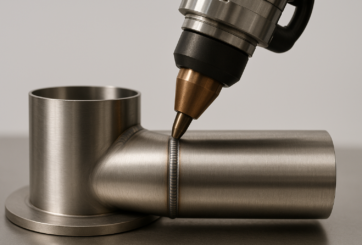
In zahlreichen Bauteilen technischer Anwendungen sind Bindenähte nicht zu vermeiden und stellen besonders bei Rezyklaten aufgrund der Vorgeschichte des Matrixmaterials eine große Herausforderung dar. Zuverlässigkeitsexperten aus dem Fraunhofer-Institut für Betriebsfestigkeit und Systemzuverlässigkeit LBF möchten in dem Projekt »Design for Reliability – Bindenähte in technischen Bauteilen« gemeinsam mit Partnern grundlegende Zusammenhänge hinsichtlich der Zuverlässigkeit von Bindenähten untersuchen. Durch den verstärkten Einsatz von Rezyklaten aufgrund der ELV-Verordnung der EU, wird die Zuverlässigkeits- und Lebensdauerbewertung von Rezyklaten besonders herausfordernd. Die Vorgeschichte des Materialmix…

Die Fraunhofer-Institute für Werkzeugmaschinen und Umformtechnik IWU sowie für Fertigungstechnik und Angewandte Materialforschung IFAM haben einen Durchbruch in der Materialforschung erzielt: Der Verbundwerkstoff HoverLIGHT setzt neue Maßstäbe für die Konstruktion von Werkzeugmaschinen. Durch die Kombination von Aluminiumschaum und partikelgefüllten Hohlkugeln erreicht HoverLIGHT einen bisher unerreichten Eigenschaftsmix aus Leichtigkeit, Steifigkeit und Schwingungsdämpfung. In einem Gemeinschaftsprojekt mit einem Industriepartner gelang nun erstmals der Nachweis, dass HoverLIGHT bei Serienmaschinen Schwingungen um den Faktor 3 besser dämpft. Und das bei einer Gewichtseinsparung von 20…
 Rückmeldung
