



Forschungsergebnisse zeigen: Bupropion steigert die Libido bei Frauen, die unter vermindertem sexuellen Verlangen leiden
Seit mehr als 55 Jahren zeichnen die Sozialerhebungen des Deutschen Studentenwerks ein genaues Bild der wirtschaftlichen und sozialen Lage der Studierenden in Deutschland. Die HIS Hochschul-Informations-System GmbH führt die Untersuchung seit 1982 im Auftrag des Deutschen Studentenwerks alle drei Jahre durch.
Die inzwischen 18. Auflage dieser repräsentativen Befragung gibt ein detailliertes Bild der sozialen und wirtschaftlichen Lage der Studierenden wieder. Die Ergebnisse basieren auf den Antworten von 16.590 Studierenden aus 248 Hochschulen, die im Sommersemester 2006 den umfangreichen Fragebogen zu ihrer sozialen, gesundheitlichen und wirtschaftlichen Lage ausgefüllt haben.
Eines der zentralen Ergebnisse der 18. Sozialerhebung: Im deutschen Bildungssystem entscheidet die soziale Herkunft ganz maßgeblich über den Bildungsweg. Von 100 Akademikerkindern schaffen 83 den Hochschulzugang, dagegen nur 23 von 100 Kindern aus Familien ohne akademische Tradition. Kinder aus Beamtenfamilien, in denen mindestens ein Elternteil studiert hat, haben eine fünfeinhalb Mal so hohe Studierchance wie Kinder aus Arbeiterfamilien.
Den Lebensunterhalt finanzieren 3 % der Studierenden mit höchstens 400 Euro, 4 % stehen dafür 1.300 und mehr Euro zur Verfügung. Im Durchschnitt liegen die monatlichen Einnahmen bei 770 Euro und verharren damit auf dem Niveau von 2003.
Nur rund 60 % der Studierenden gingen im Sommersemester 2006 davon aus, ihre Studienfinanzierung sei gesichert. 2003 waren es noch fünf Prozent mehr.
Die Sozialerhebung liefert Daten, die aus keiner amtlichen Statistik hervorgehen. Entsprechend groß ist das Interesse von Politik in Bund und Ländern, Hochschulen und Wissenschaftsorganisationen für die Sozialerhebung. Aber auch die Studierenden selbst, ihre Eltern, die studentischen Vertretungen, Studentenwerke und nicht zuletzt die Medien greifen auf die Sozialerhebung zurück, wenn sie beispielsweise wissen wollen, wie die Studierenden sich finanzieren oder wie viele Studierende nebenbei jobben müssen, um ihren Lebensunterhalt bestreiten zu können.
Nähere Informationen:
Wolfgang Isserstedt
Telefon + 49 (0)511 1220-208
isserstedt@his.de
Dr. Elke Middendorff
Telefon + 49 (0)511 1220-194
middendorff@his.de
Pressekontakt:
Theo Hafner
Telefon +49 (0)511 1220-290
hafner@his.de
Über HIS
Die HIS Hochschul-Informations-System GmbH unterstützt vorrangig die Hochschulen und ihre Verwaltungen sowie die staatliche Hochschulpolitik als Dienstleister im Bemühen um eine effektive Erfüllung ihrer Aufgaben. Der Schwerpunkt liegt hierbei auf Aktivitäten
o als Softwarehaus der Hochschulverwaltungen
o im Sektor Hochschulforschung in Form von empirischen Untersuchungen und anderen Expertisen
o im Bereich Hochschulentwicklung mit den zentralen Themenfeldern Hochschulorganisation und Hochschulbau


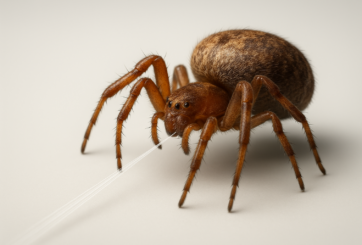
Forscher am Lehrstuhl für Biomaterialien der Universität Bayreuth haben erstmals erfolgreich die „Genschere“ CRISPR-Cas9 bei Spinnen eingesetzt. Die Spinnen produzierten nach der Gen-Editierung rot fluoreszierende Spinnenseide. Über ihre Ergebnisse berichten die Forscher im Fachjournal Angewandte Chemie. What for? Spinnenseide ist eine der interessantesten Fasern im Bereich der Materialwissenschaften: Insbesondere ihr Abseilfaden ist enorm reißfest, dabei jedoch elastisch, leicht und biologisch abbaubar. Wenn es gelingt, die Produktion der Spinnenseide in vivo – im lebenden Tier – zu beeinflussen und damit Einblicke…

Dass Links- oder Gemischthändigkeit bei Patientinnen und Patienten mit bestimmten neurologischen Erkrankungen wie Autismus-Spektrum-Störungen auffällig häufig vorkommt, ist eine oft berichtete Beobachtung aus der Praxis. Die Verbindung von Händigkeit und diesen Erkrankungen liegt wahrscheinlich darin begründet, dass beide durch Prozesse in der frühen Hirnentwicklung beeinflusst werden. Verschiedene Studien untersuchten diesen Zusammenhang für einzelne Erkrankungen und konnten ihn mal belegen, mal nicht. Eine Meta-Analyse, die ein internationales Forschungsteam aus Bochum, Hamburg, Nimwegen und Athen durchgeführt hat, zeigt, dass eine abweichende Händigkeit…
Ein Forschungsteam untersuchte, wie der Energieverbrauch der Fledermausart Großer Abendsegler von der Temperatur beeinflusst wird, und erstellte ein Modell, mit dem sich vorhersagen lässt, in welchen geographischen Breiten sie den Winterschlaf überleben und wie sich ihre Überwinterungsgebiete im Laufe der Zeit verändern könnten. Es zeichnet die Verschiebung der Überwinterungsgebiete in den letzten 50 Jahren exakt nach und sagt eine weitere Ausdehnung nach Nordosten um bis zu 14 Prozent des derzeitigen Verbreitungsgebiets bis zum Jahr 2100 voraus – bedingt durch kürzere…
Rund 20 bis zu 35 Prozent der Bevölkerung leidet unter chronischen Schlafstörungen, in höherem Alter sogar die Hälfte aller Menschen. Fast jeder Jugendliche oder Erwachsene kennt zudem ein kurzfristiges Schlafdefizit: ob Party, ein langer Arbeitstag, die Pflege Angehöriger oder schlicht am Handy verdaddelt – die Möglichkeiten zu wenig Schlaf zu bekommen sind vielfältig. Jülicher Forscher:innen konnten in einer aktuellen Metastudie zeigen, dass sich die jeweils beteiligten Gehirnregionen deutlich unterscheiden. Die Ergebnisse der Studie wurden im Fachmagazin JAMA Psychiatry veröffentlicht. „Schlechter…
 Rückmeldung
